
Effective teamwork and communication

Having a team that can work together effectively to provide quality outcomes for children is critical. To achieve this, teachers need to have common understandings about what is important in terms of curriculum and pedagogy, be able to draw on each others’ strengths and learn from each other and to work successfully through any differences that may arise among them.
Using your philosophy as a foundation, our facilitator will use strategies and techniques such as personality typologies, and active listening to build individual and group capability to work well together in professional and supportive ways.
Building an effective team
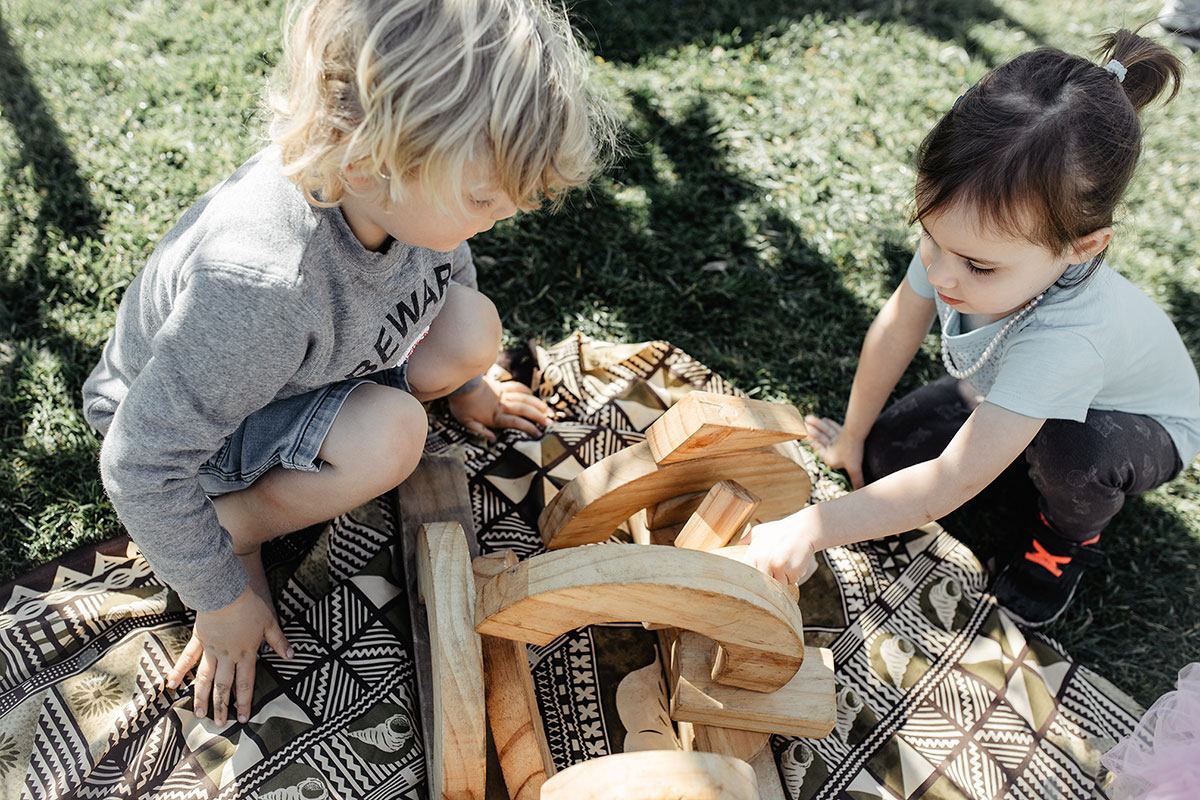
Intended for team and service leaders and those who aspire to formal leadership positions in mind, a facilitator will share key strategies to bring shared understandings and consistent approaches into your team. We will use a research-based framework for building highly-effective teams and develop capability to build relational trust, work through conflict and foster an attitude of high commitment and accountability in your team.
Having learning-focused conversations
Ineffective conversations are one of the biggest barriers to improving practice in ECE settings.
This work is for teachers who want to lead conversations that actually matter. Conversations that prompt genuine reflection, move practice forward, and keep children’s outcomes at the centre without damaging relationships.
Trouble-shooting and mediation
If you have problematic relationships between teachers or you are having trouble ‘getting everyone on the same page’, one of our facilitators can work with your team (or particular teachers) to help work through areas of disagreement and to develop shared understandings and approaches.
People who have engaged with us in this way report that it has been extremely useful having an ‘outsider’ involved in the conflict resolution process because they do not bring the historical entanglements that often exist in these types of situations, therefore allowing a more objective and dispassionate view.