
Introduction to Te Whāriki

Our curriculum is world-renowned and a powerful platform on which to base ECE services. However, many unqualified kaiako do not receive the grounding they need to understand and utilise Te Whāriki to its full potential. Qualified teachers who are new to New Zealand must get to grips with an entirely different curriculum from the one they have used previously.
Our facilitators will work with your kaiako to build their familiarity with Te Whāriki and to understand how to implement it in everyday teaching practice, assessment and planning.
The teachers’ role in a play-based curriculum
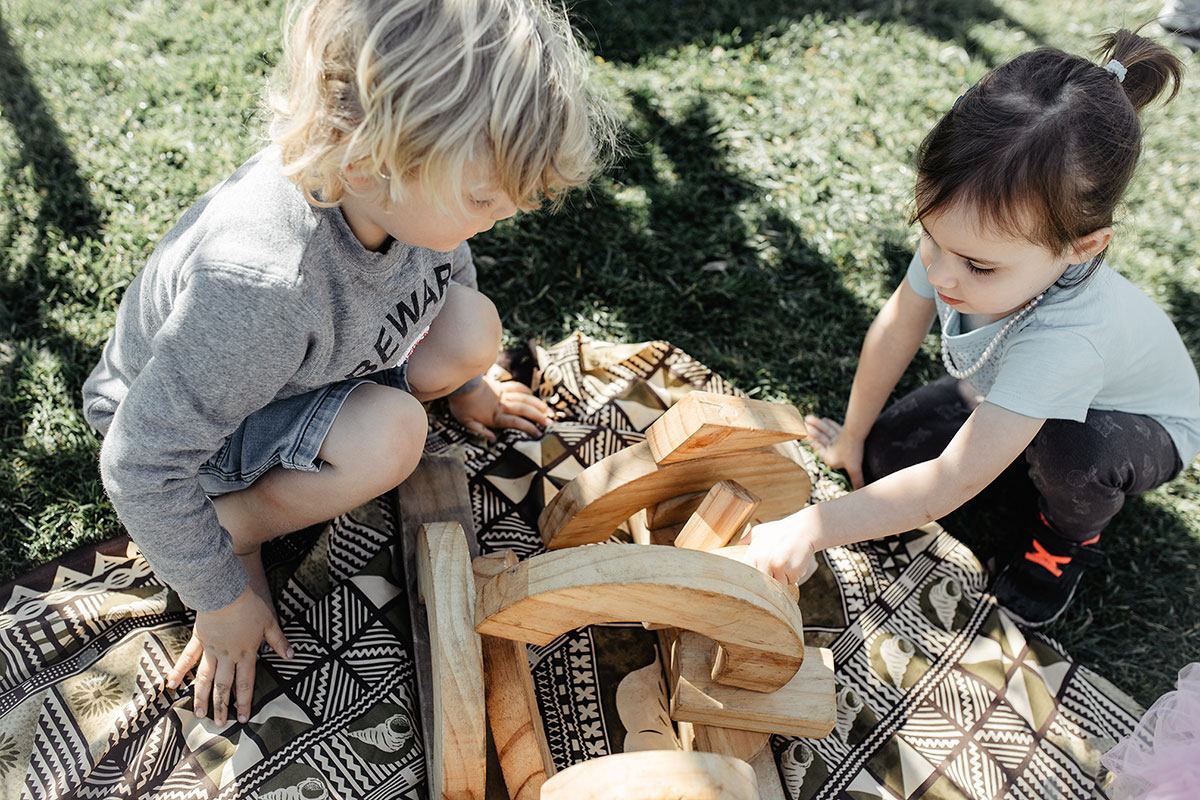
Teachers are the most important resources in any ECE setting. In our child-led, dispositionally focused curriculum, it can be challenging to know how best to add value to children’s learning without resorting to teacher-directed and didactic approaches.
This work will help you to explore and understand your role in intentionally supporting the learning that happens in children’s naturally occurring play and then use strategies that have powerful potential to affect learning. The emphasis will be on identifying how the learning outcomes relate to children’s play and developing the strategies to support the learning without imposing adult agendas.
Fundamental teaching strategies
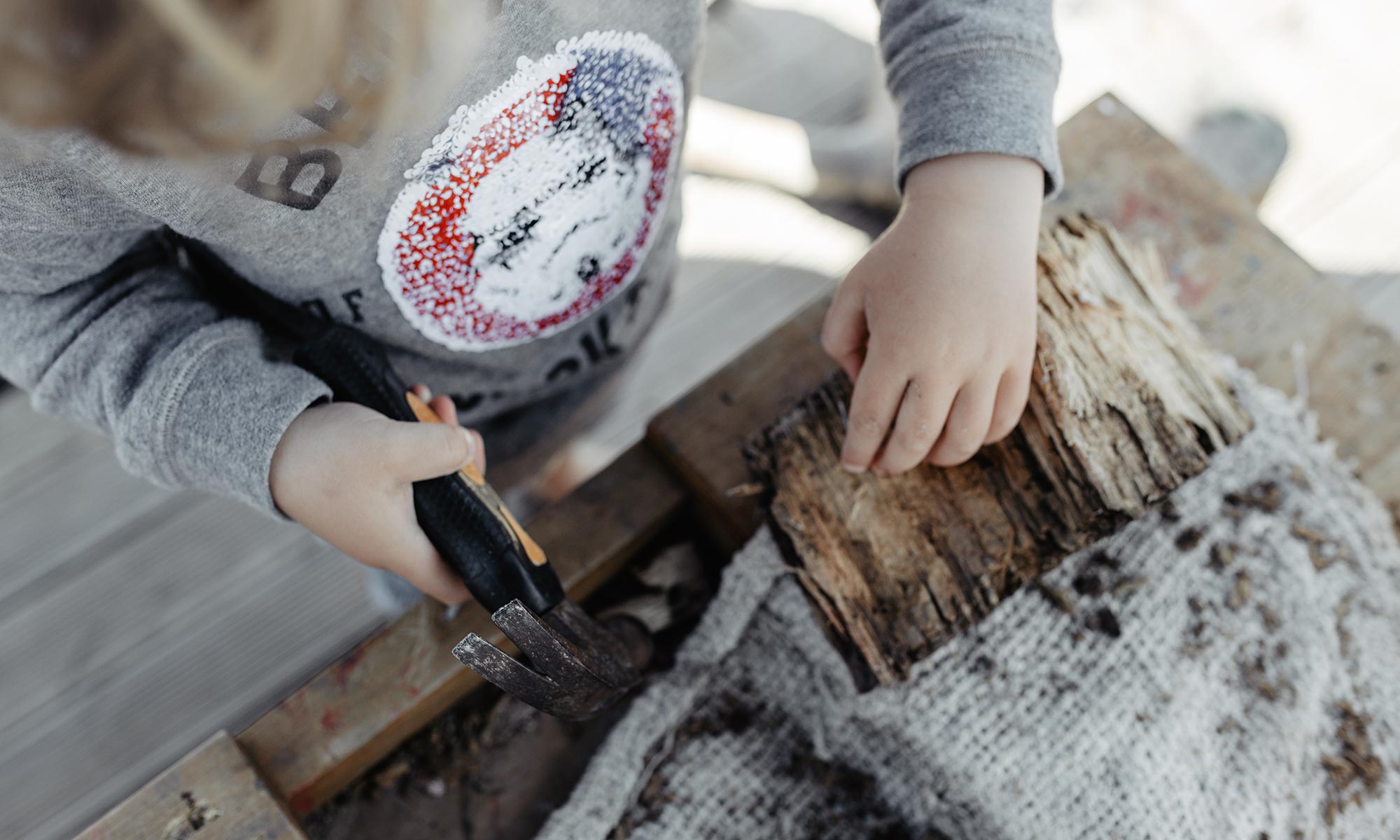
Effective teachers use a range of teaching techniques and strategies to help children’s learning progress. Learning what these fundamental strategies are and when and how to implement them will allow you to thoughtfully select the appropriate strategy from your repertoire to meet any particular child and circumstance.
Becoming competent in using strategies such as questioning, modelling, fading support and positive forecasting will enable you to effectively scaffold children’s learning.
Reflective practice and professional growth

Being able to think critically about your actions and examine your default ways of being and doing is an important skill for anyone in the teaching profession. We all carry the inherent biases of our past experiences and cultural locatedness and act out of these by default. Building the capability to reflect on our beliefs, values and actions will ensure that we are considering multiple perspectives and are open to new and different approaches. Because we want to make a positive difference in the learning and lives of children, we should be consistently working to become increasingly effective teachers by doing this.
Our facilitators will work with you to build a culture of reflective practice, critical thinking and improvement in your service.